Stories beyond
the concrete.
Research, context, and the journeys of the Wall. Each article is written from the same sourced catalogue as the map, and every claim in it carries the source it came from.
- Articles
- 05
- Sources cited
- 32
- Minutes of reading
- 19
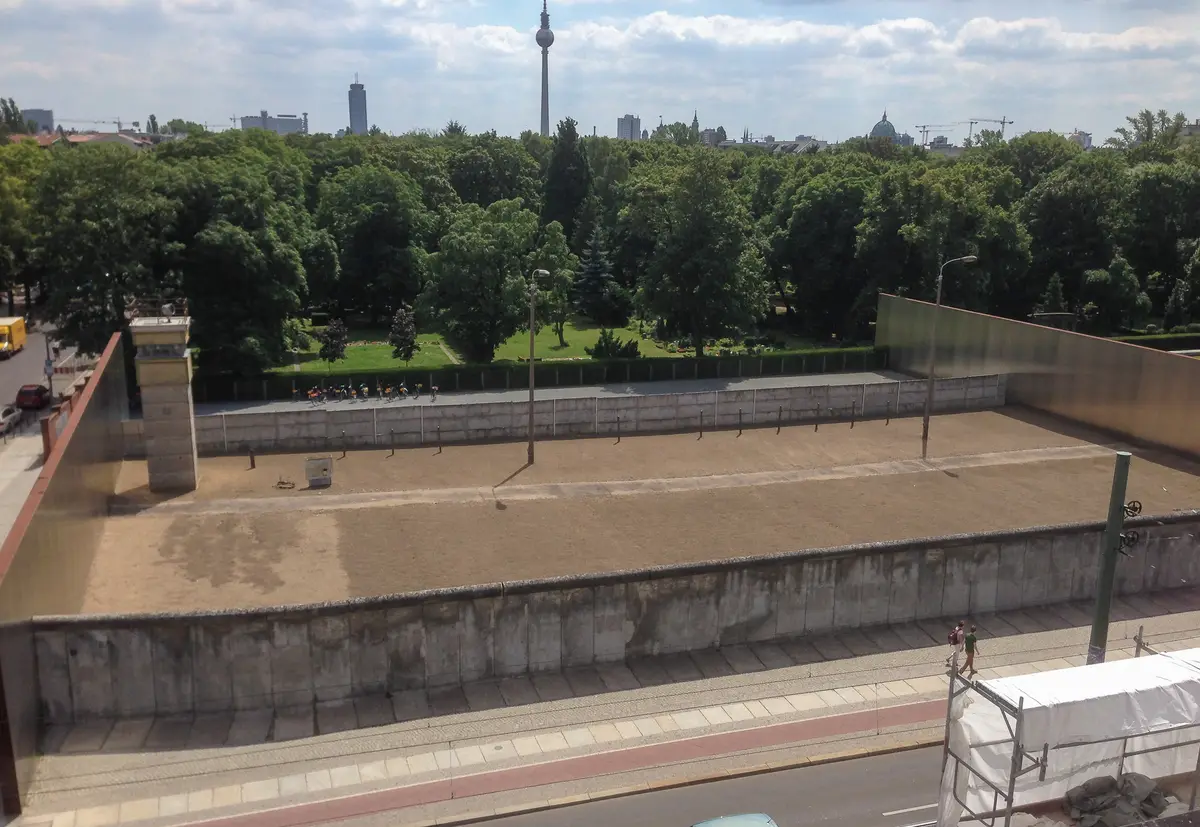 01Anatomy of the Wall
Border Wall or Hinterland Wall? The Berlin Wall Was Two Walls
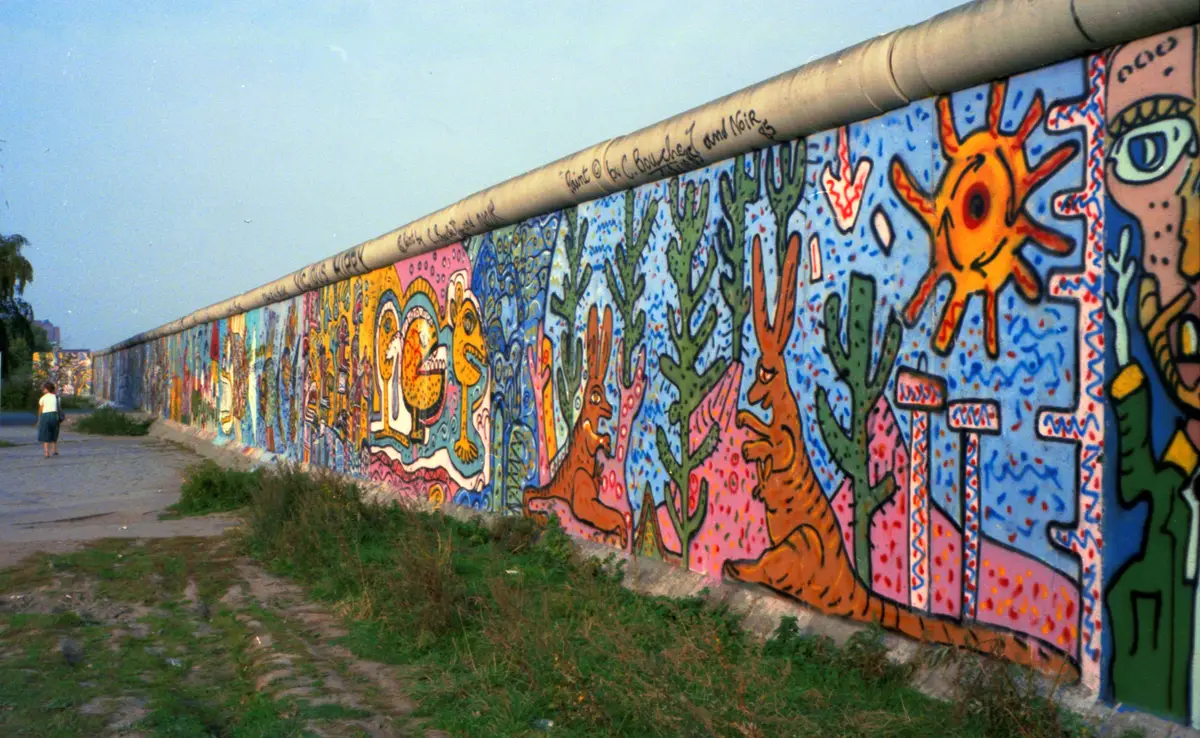
The most photographed Berlin Wall in the world faced east, not west. Knowing which wall you are looking at changes what a surviving segment means.
Who broke it, who painted it, and what it is.
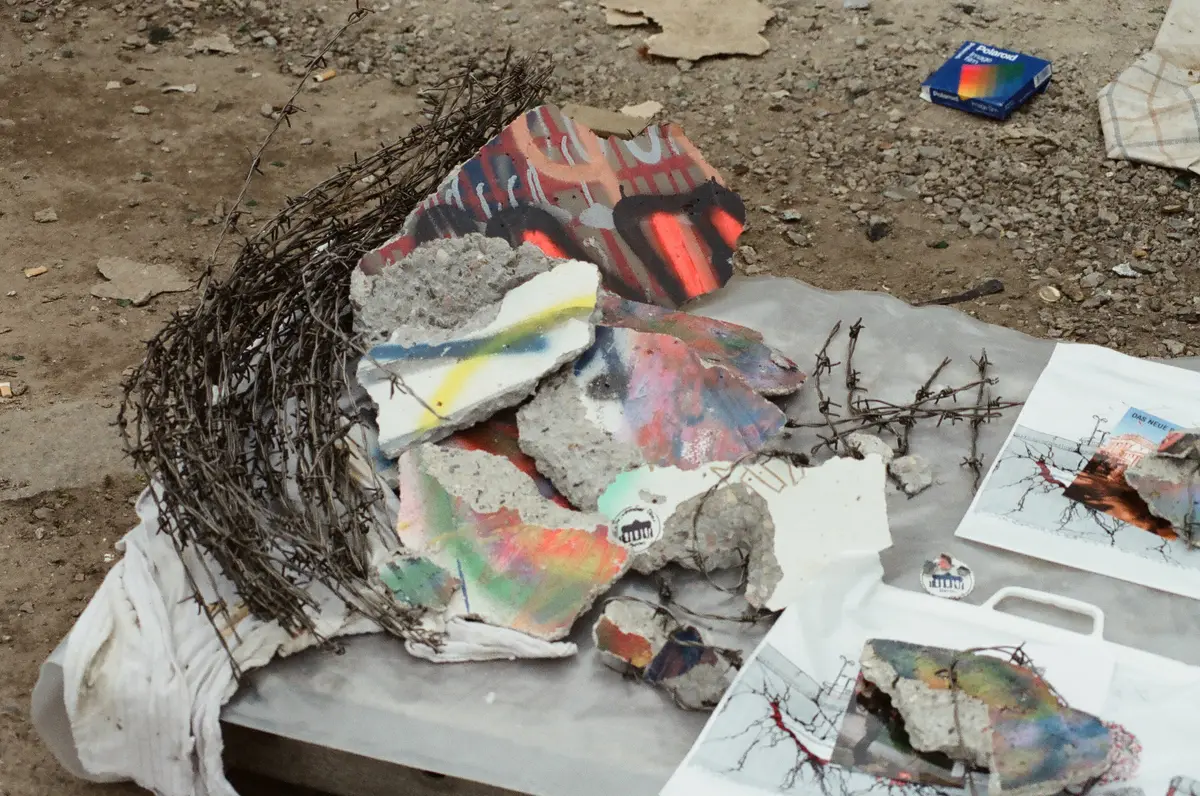 02Provenance
How to Tell a Real Piece of the Berlin Wall
Most fragments sold as Berlin Wall are concrete of uncertain origin carrying paint applied long after 1989. The arithmetic explains why, and three questions sort them out.
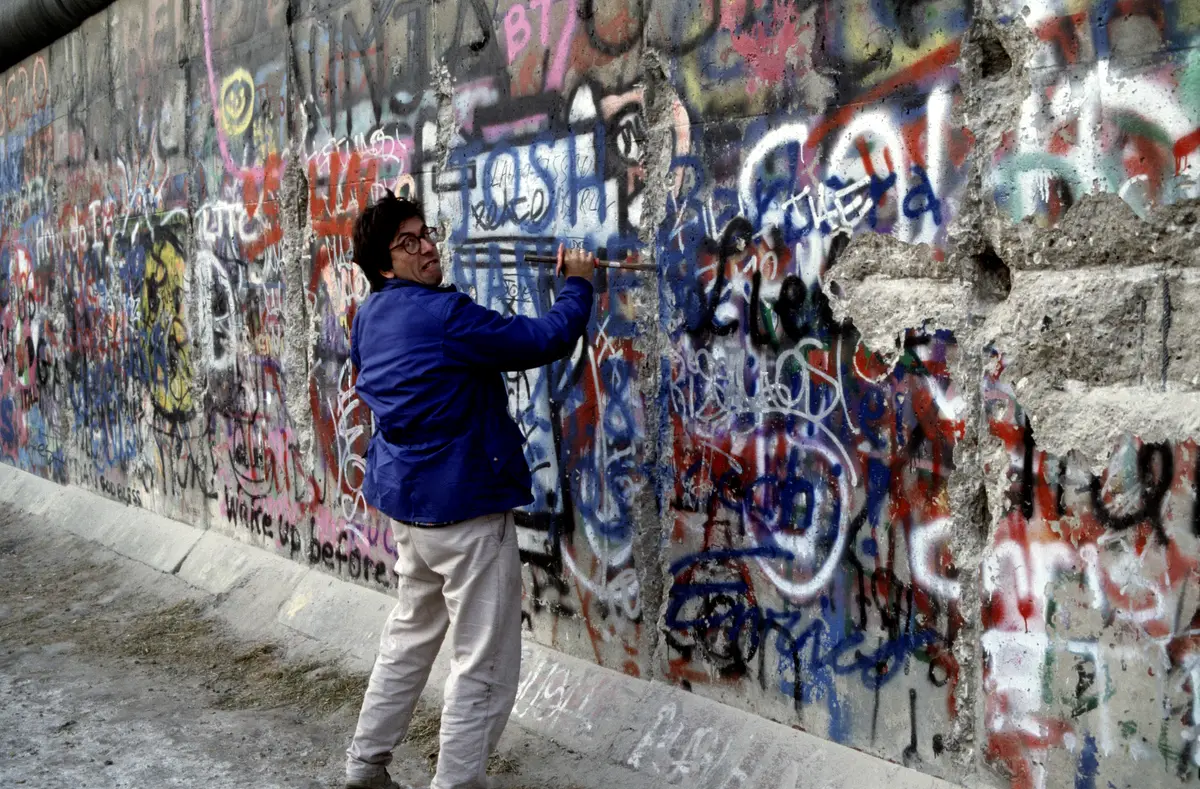 03November 1989
The Mauerspechte: Who Actually Broke Up the Berlin Wall
The wall woodpeckers are remembered as a charming footnote. They were also the largest uncontrolled demolition in postwar Europe, and they destroyed most of the evidence.
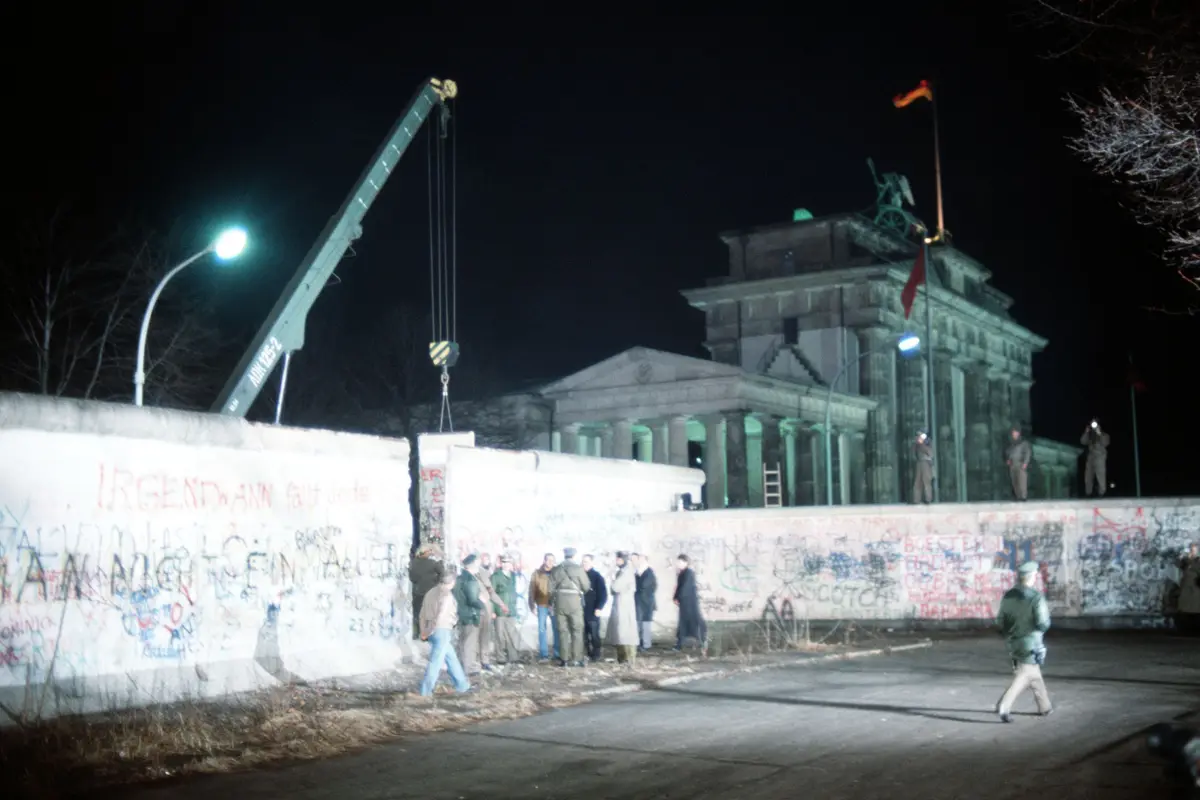 04Dispersal
Where Did the Berlin Wall Go?
The Wall did not simply vanish in 1989. It was sold, given away and crushed for road aggregate — and pieces of it now stand in at least 62 countries.
 05The painters
Who Painted the Berlin Wall?
Thierry Noir, Kiddy Citny, Indiano and Kani Alavi painted the surfaces the world remembers — and then watched their work sold at auction without them.
A farm silo panel that looked tidy from the West.
Every segment in the atlas, in every country, is the same mass-produced L-shaped element. Knowing which wall it stood in, and which face you are looking at, changes what it means.
Border wall or hinterland wall?One wall, scattered across the world.
Learn how we evaluate evidence in our research methodology.